Diabetes
Diabetes is a common metabolic condition in which blood sugar levels remain higher than normal because the body does not produce enough insulin, does not use insulin effectively, or both. If left unmanaged, diabetes can affect various organs and increase the risk of long-term health complications.
With appropriate medical care, regular monitoring and healthy lifestyle changes, diabetes can be managed effectively. Dr. Sahil N. Fulara, Consultant Senior Endocrinologist – Physician, provides personalized diabetes care based on each patient's health, treatment requirements and metabolic needs.
Common Symptoms of Diabetes
Some people may have diabetes without noticeable symptoms, while others may experience:
- Frequent urination
- Increased thirst or hunger
- Unexplained weight loss
- Excessive tiredness or weakness
- Blurred vision
- Slow-healing cuts or wounds
- Frequent infections
- Tingling or numbness in the hands or feet
- Dry or itchy skin
If these symptoms persist, timely evaluation and blood sugar testing can help identify diabetes at an early stage.
Causes & Risk Factors of Diabetes
Diabetes can develop due to several factors. Common risk factors include:
- Family history of diabetes
- Being overweight or having obesity
- Lack of regular physical activity
- Unhealthy dietary habits
- Increasing age
- High blood pressure
- Abnormal cholesterol or other metabolic conditions
- Hormonal or other medical conditions
- Previous history of gestational diabetes
The exact cause can vary depending on the type of diabetes and the individual.
Types of Diabetes
Type 1 Diabetes
Type 1 diabetes occurs when the body's immune system damages the insulin-producing cells of the pancreas. People with Type 1 diabetes generally require insulin as part of their treatment.
Type 2 Diabetes
Type 2 diabetes is the most common form of diabetes. It is often associated with insulin resistance and reduced insulin production. Treatment may include lifestyle changes, oral medications, injectable medicines and, when required, insulin.
Gestational Diabetes
Gestational diabetes develops during pregnancy. Appropriate monitoring and treatment are important for the health of both the mother and baby.
Diabetes Management & Treatment
Diabetes treatment is individualized according to blood sugar levels, medical history, lifestyle, associated health conditions and treatment response.
Dr. Sahil Fulara provides comprehensive management that may include:
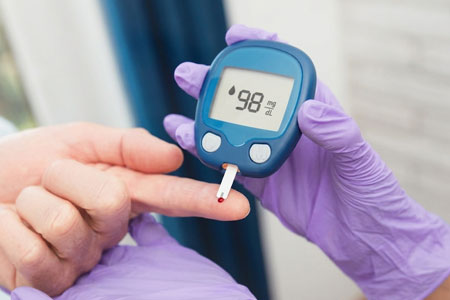
- Blood sugar assessment and regular monitoring
- Personalized medication management
- Insulin therapy when required
- Lifestyle and dietary guidance
- Weight management support
- Management of diabetes associated with obesity
- Management of blood pressure and other cardio-metabolic risk factors
- Monitoring for diabetes-related complications
- Regular follow-up and treatment adjustments
The aim is not simply to reduce blood sugar temporarily, but to achieve sustainable control and support better overall health.
Benefits of Proper Diabetes Management
Effective diabetes management can help patients:
- Maintain healthier blood sugar levels
- Reduce the risk of diabetes-related complications
- Support healthier body weight
- Improve energy and day-to-day well-being
- Manage associated blood pressure and metabolic concerns
- Reduce the risk of long-term cardiovascular and other health problems
- Understand their condition and treatment better
- Make sustainable lifestyle changes
- Improve long-term health and quality of life
Diabetes & Weight Management
Diabetes, obesity and other metabolic conditions can often be closely connected. Managing body weight, nutrition and physical activity can form an important part of diabetes care.
Dr. Fulara takes these associated factors into consideration while developing an individualized treatment approach for patients with diabetes and metabolic concerns.
Preventing Diabetes Complications
Uncontrolled diabetes over a long period can affect the heart, blood vessels, kidneys, eyes, nerves and feet. Regular consultations, appropriate investigations and maintaining good blood sugar control can help reduce the risk of complications.
Early attention is particularly important for patients who have had diabetes for many years or who also have conditions such as obesity or high blood pressure.
When Should You Consult an Endocrinologist?
You should consider consulting an endocrinologist if you have:
- Persistently high or fluctuating blood sugar levels
- Recently diagnosed diabetes
- Difficulty controlling diabetes despite treatment
- Concerns about starting or continuing insulin
- Diabetes along with obesity or weight concerns
- Diabetes with high blood pressure or other metabolic problems
- Symptoms suggestive of diabetes
- A long history of diabetes requiring regular monitoring
Take the Right Steps Towards Better Diabetes Control
Diabetes is a condition that requires ongoing care, but with the right treatment and lifestyle approach, it can be managed effectively. Understanding your condition and following a personalized treatment plan can help you take greater control of your health.
Dr. Sahil N. Fulara provides individualized diabetes and metabolic care with a focus on appropriate treatment, regular monitoring and long-term health.