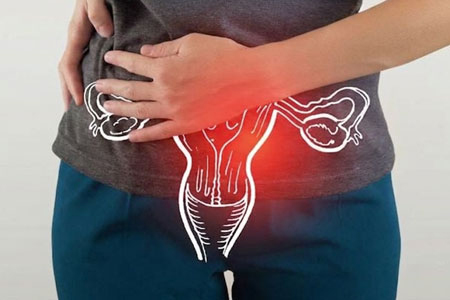
PCOD
Polycystic Ovarian Disease (PCOD) is a common hormonal and metabolic condition that can affect women during their reproductive years. It may influence menstrual cycles, ovulation, weight, skin, hair and overall hormonal health.
PCOD can affect each woman differently, and its symptoms may change over time. Dr. Sahil N. Fulara, Consultant Senior Endocrinologist – Physician, provides personalized evaluation and management of PCOD with attention to hormonal balance, metabolic health, blood sugar and weight-related concerns.
Common Symptoms of PCOD
PCOD can present with a variety of symptoms. Common signs may include:
- Irregular or unpredictable menstrual cycles
- Delayed or missed periods
- Difficulty with ovulation
- Excessive hair growth on the face or body
- Hair thinning or hair loss
- Acne or oily skin
- Unexplained or difficult-to-manage weight gain
- Difficulty losing weight
- Darkening or thickening of skin in certain areas
- Difficulty with fertility
- Mood changes or low energy
Not every woman with PCOD experiences all of these symptoms. Persistent menstrual, hormonal, weight or skin-related changes should be evaluated to understand the underlying cause.
Causes & Risk Factors of PCOD
The exact cause of PCOD is not the same for every woman. Several hormonal, metabolic and lifestyle factors may contribute to the condition.
- Hormonal imbalance
- Insulin resistance
- Family history of PCOD or related metabolic conditions
- Overweight or obesity
- Unhealthy dietary habits
- Lack of regular physical activity
- Metabolic abnormalities
- Other hormonal or endocrine factors
PCOD is a complex condition, and its underlying factors can vary from person to person. A proper medical evaluation helps determine the most appropriate approach to management.
PCOD & Hormonal Imbalance
PCOD is associated with hormonal changes that can affect ovulation and menstrual cycles. Changes in reproductive hormones may also contribute to symptoms such as acne, excessive hair growth and hair thinning.
Understanding the hormonal aspects of PCOD can help in developing a personalized management plan based on the patient's symptoms and individual health needs.
PCOD & Weight Management
Weight gain and difficulty losing weight can be concerns for some women with PCOD. Metabolic factors such as insulin resistance may contribute to these challenges.
Weight management can therefore form an important part of PCOD care. Dr. Fulara considers weight, blood sugar, metabolic health, lifestyle and hormonal factors while planning individualized management.
PCOD & Diabetes Risk
PCOD can be associated with metabolic problems such as insulin resistance, which may increase the risk of developing blood sugar abnormalities in some women.
Monitoring metabolic health and addressing factors such as excess weight, physical inactivity and unhealthy eating habits can be an important part of long-term PCOD management.
PCOD Diagnosis & Evaluation
There is no single test that confirms PCOD in every patient. A detailed evaluation helps understand the symptoms and rule out other conditions that may cause similar problems.
Depending on the patient's symptoms and medical history, evaluation may include:
- Detailed menstrual and medical history
- Assessment of hormonal symptoms
- Physical examination
- Weight and BMI assessment
- Blood sugar and metabolic evaluation
- Hormonal blood tests when clinically appropriate
- Assessment of thyroid function when required
- Evaluation of associated metabolic conditions
- Ultrasound or other investigations when clinically indicated
The tests required can vary from person to person. Evaluation is planned according to individual symptoms, medical history and clinical findings.
PCOD Management & Treatment
PCOD management is individualized according to the patient's symptoms, hormonal profile, metabolic health, weight and personal health goals.
Dr. Sahil Fulara's approach to PCOD management may include:
- Assessment of hormonal and metabolic health
- Personalized lifestyle guidance
- Weight-management support
- Management of insulin resistance and metabolic concerns when appropriate
- Blood sugar monitoring when required
- Evaluation and management of thyroid or other hormonal conditions
- Medication management when clinically indicated
- Guidance regarding healthy eating and physical activity
- Regular monitoring and follow-up
Treatment is tailored to the individual because PCOD can affect women differently and treatment goals may vary from managing periods and metabolic health to addressing weight or other hormonal concerns.
Benefits of Proper PCOD Management
Appropriate PCOD management can help patients:
- Support more regular menstrual cycles
- Improve hormonal and metabolic health
- Support healthy and sustainable weight management
- Improve blood sugar and insulin-related metabolic health
- Manage symptoms such as acne and unwanted hair growth
- Address hair thinning associated with hormonal factors
- Support reproductive and ovulatory health
- Reduce the risk of associated metabolic problems
- Develop healthier and sustainable lifestyle habits
- Improve overall well-being and quality of life
PCOD & Lifestyle Management
Lifestyle habits are an important part of managing PCOD. Regular physical activity, balanced nutrition, healthy weight management and adequate sleep may support better hormonal and metabolic health.
Lifestyle recommendations should be realistic and sustainable rather than based on restrictive diets or short-term solutions. Dr. Fulara considers individual health needs while providing guidance as part of comprehensive PCOD management.
PCOD & Long-Term Health
PCOD is not only a menstrual or reproductive health concern. For some women, it can also be associated with metabolic problems such as insulin resistance, weight-related concerns and increased blood sugar risk.
Regular medical follow-up and attention to hormonal, metabolic and lifestyle factors can help support better long-term health and identify associated concerns when they arise.
When Should You Consult an Endocrinologist?
You should consider consulting an endocrinologist if you have:
- Irregular, delayed or missed periods
- Difficulty managing weight
- Excessive hair growth or hair loss
- Persistent acne associated with hormonal symptoms
- Difficulty with ovulation or fertility-related concerns
- PCOD along with obesity or weight-related concerns
- PCOD along with blood sugar or metabolic abnormalities
- Symptoms suggesting a hormonal imbalance
- Difficulty managing an existing PCOD diagnosis
- Concerns about long-term hormonal and metabolic health
Take Control of Your Hormonal & Metabolic Health
PCOD can affect different aspects of a woman's health, but appropriate evaluation, personalized treatment and sustainable lifestyle changes can help manage its symptoms and associated health concerns.
Understanding your hormonal and metabolic health is an important step towards better long-term well-being. Regular follow-up can help monitor changes and adjust the management plan when required.
Dr. Sahil N. Fulara provides personalized PCOD care with a focus on hormonal evaluation, metabolic health, weight management, lifestyle guidance and long-term endocrine health.