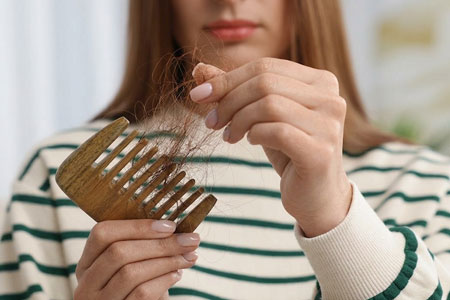
Hair Loss
Hair loss is a common concern that can affect people of all ages. Losing some hair every day is normal, but excessive shedding, thinning or visible changes in hair density may indicate an underlying problem that needs attention.
Hair loss can have many possible causes, including nutritional deficiencies, hormonal changes, thyroid disorders, stress, certain medications and other medical conditions. Dr. Sahil N. Fulara, Consultant Senior Endocrinologist – Physician, evaluates hormonal and metabolic factors that may contribute to hair loss and provides individualized management based on the underlying cause.
Common Symptoms of Hair Loss
Hair loss can present in different ways. Common signs may include:
- Increased hair shedding
- Noticeable hair thinning
- Widening of the hair parting
- Receding hairline
- Reduced hair density
- Hair coming out in large amounts while washing or brushing
- Small or noticeable areas of hair loss
- Slow or reduced hair growth
- Changes in hair texture
- Hair loss associated with other hormonal symptoms
The pattern and duration of hair loss can provide useful clues about its possible cause. Persistent or sudden hair loss should be evaluated rather than treated based only on symptoms.
Causes & Risk Factors of Hair Loss
Hair loss can occur due to a number of factors. Common causes and contributing factors include:
- Thyroid disorders
- Hormonal imbalances
- Nutritional deficiencies
- Physical or emotional stress
- Sudden weight loss
- Diabetes and metabolic conditions
- Certain medications
- Family history and genetic factors
- Hormonal changes associated with pregnancy or other life stages
- Underlying medical conditions
Since hair loss can have multiple causes, identifying the underlying contributor is an important part of effective management.
Common Types of Hair Loss
Diffuse Hair Thinning
Diffuse hair thinning involves a reduction in hair density across the scalp rather than hair loss in one specific area. It can sometimes occur after illness, significant stress, nutritional problems, hormonal changes or other medical conditions.
Pattern Hair Loss
Pattern hair loss is a common form of hair thinning that can affect both men and women. It typically develops gradually and may have a genetic or hormonal component.
Hormonal Hair Loss
Changes in hormone levels can sometimes affect the normal hair-growth cycle. Thyroid disorders and certain other hormonal conditions may contribute to hair thinning or increased hair shedding.
Hair Loss Diagnosis & Evaluation
Finding the cause of hair loss is an important step before deciding on treatment. Depending on the patient's symptoms and medical history, evaluation may include:
- Detailed medical and hair-loss history
- Assessment of the pattern and duration of hair loss
- Physical examination
- Review of recent weight changes, illness or stress
- Thyroid function testing when appropriate
- Hormonal evaluation when clinically indicated
- Assessment for nutritional deficiencies when required
- Blood sugar and metabolic evaluation when appropriate
- Additional investigations based on individual findings
Not every patient requires the same tests. Investigations are selected according to the individual's symptoms, medical history and clinical findings.
Hair Loss Management & Treatment
Treatment for hair loss depends on the underlying cause. Addressing a contributing medical, hormonal or metabolic condition may be an important part of management.
Dr. Sahil Fulara's approach may include:
- Identifying possible hormonal or metabolic contributors
- Evaluation and management of thyroid disorders
- Assessment of hormonal imbalances when appropriate
- Management of nutritional or metabolic factors when identified
- Review of medications that may contribute to hair loss
- Management of associated diabetes or metabolic conditions
- Personalized medical treatment when clinically indicated
- Lifestyle and nutritional guidance
- Regular follow-up to monitor progress
The treatment plan is tailored according to the underlying cause and the individual needs of each patient.
Benefits of Proper Hair Loss Management
Appropriate evaluation and management can help patients:
- Identify possible underlying causes of hair loss
- Address thyroid or hormonal factors when present
- Manage associated metabolic conditions
- Reduce excessive hair shedding when the underlying cause is treatable
- Support healthier hair growth and maintenance
- Identify nutritional or lifestyle factors that may contribute to hair loss
- Prevent worsening of hair loss related to underlying conditions
- Improve overall hormonal and metabolic health
- Support better confidence and day-to-day well-being
Hair Loss & Thyroid Disorders
Thyroid hormone imbalance can sometimes affect the normal hair-growth cycle. Both an underactive and overactive thyroid may be associated with hair thinning or increased hair shedding.
If hair loss occurs along with symptoms such as tiredness, unexplained weight changes, changes in body temperature or other thyroid-related symptoms, thyroid evaluation may help identify whether thyroid function is contributing to the problem.
Hair Loss & Hormonal Health
Hormonal changes can influence hair growth and shedding. Certain hormonal conditions may be associated with hair thinning, changes in hair growth patterns or other symptoms.
When clinically appropriate, evaluating hormonal factors can help determine whether an endocrine condition may be contributing to hair loss and guide further management.
Hair Loss & Weight Changes
Significant or rapid changes in body weight can sometimes be associated with increased hair shedding. Nutritional changes, metabolic factors and underlying hormonal conditions may also contribute.
Patients experiencing hair loss after significant weight changes may benefit from an evaluation of their overall nutritional, hormonal and metabolic health.
Preventing Hair Loss Related to Medical Conditions
Not all hair loss can be prevented, but identifying and managing underlying medical, hormonal and nutritional factors can help protect overall hair health.
Maintaining a balanced diet, managing underlying health conditions, avoiding unnecessary stress and following appropriate medical advice can support healthy hair growth and overall well-being.
When Should You Consult an Endocrinologist?
You should consider consulting an endocrinologist if you have:
- Sudden or excessive hair shedding
- Persistent hair thinning
- Hair loss along with unexplained weight changes
- Hair loss with symptoms of a thyroid disorder
- Hair loss associated with other hormonal symptoms
- Hair loss following significant weight loss
- Hair loss along with diabetes or other metabolic concerns
- Known thyroid or hormonal disorders with worsening hair loss
- Abnormal thyroid or hormone test results
- Hair loss that continues despite basic hair-care measures
Take the Right Steps Towards Healthier Hair
Hair loss can have many different causes, and treating the visible symptom alone may not address the underlying problem. Identifying hormonal, thyroid, nutritional and metabolic factors can be an important part of understanding persistent hair loss.
Dr. Sahil N. Fulara provides personalized evaluation and endocrine care for hair-loss concerns associated with hormonal, thyroid and metabolic conditions, with a focus on identifying underlying factors and supporting long-term health.